
Fashion changes fast, but eyewear is one of the few accessories people actually live in. That is why timeless matters more here than it does with a handbag or a seasonal shoe. In 2025 The Vision Council estimated the U.S. optical industry at $69.5 billion, while its consumer research showed that more than 80% of adults use some form of vision correction. At the same time, Bain reported that the global personal luxury goods market softened slightly to €358 billion in 2025 yet eyewear remained one of the stronger categories. In other words shoppers are being more selective not less interested. They still buy eyewear but they want pieces that justify the spend.
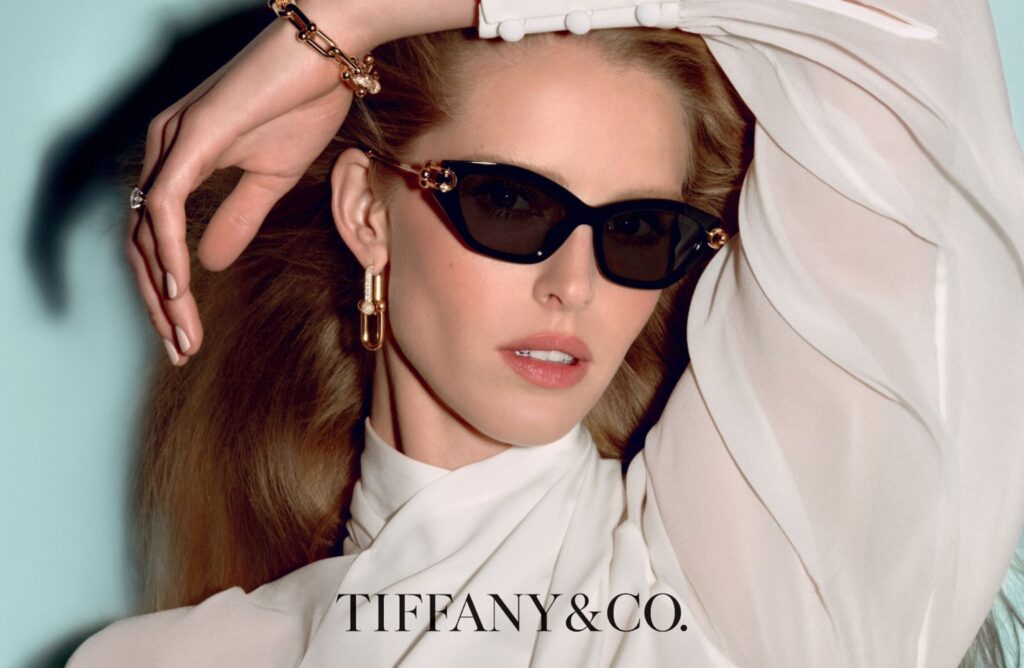
That backdrop explains why Tiffany & Co. glasses continue to appeal. A timeless Tiffany frame does not try to win attention with a giant logo or a one-season gimmick. It works because Tiffany already has something many eyewear brands spend years trying to build: a visual language people recognize instantly. The house can borrow from jewelry codes, color cues, and materials people already associate with the brand, then translate them into frames that feel polished rather than overdesigned. That is a stronger long-term formula than chasing whatever aesthetic is peaking on social media this quarter.
Why timeless eyewear matters even more in 2026
The eyewear market is now being pulled in two directions. On one side, classic optical and sun styles remain essential purchases. On the other, consumers are hearing more about tech-driven frames: The Vision Council’s 2025 smart eyewear report found that 58% of consumers say they either know exactly what smart eyewear is or have a general sense of it. But even with new formats getting attention, shoppers still overwhelmingly prefer traditional buying behavior for everyday eyewear. In Q2 2025, six out of seven glasses purchases were made in person, and by Q4 2025, 52% of consumers who had previously bought online made their most recent purchase in person. That tells you something important: fit, finish, comfort, and confidence still matter more than novelty for most buyers.
For luxury brands, that creates a clear challenge. A frame has to feel special enough to deserve a premium price, but wearable enough to earn repeat use. Tiffany is well positioned for that balance because its eyewear sits inside a broader luxury ecosystem that still values recognizable house codes. Bain’s late-2025 luxury study noted that while the overall personal luxury market was flat to slightly down, jewelry, eyewear, and fragrances were among the stronger categories. That is exactly the kind of climate where timeless design tends to outperform trend-driven design: customers are not disappearing, they are editing.
What gives Tiffany & Co. glasses their timeless look
As of Tiffany’s current U.S. eyewear assortment, the site lists 51 sunglasses products and organizes them across familiar shapes such as pilot, butterfly, cat eye, round, and square. More importantly, Tiffany describes the collection as eyewear in which its iconic jewelry collections transform into bold yet sophisticated designs with signature motifs. That sentence is the key to the brand’s durability in this category. Tiffany is not building glasses from scratch each season; it is extending proven brand symbols into eyewear.
Tiffany T: clean geometry instead of loud branding
The Tiffany T line is probably the clearest example of the brand’s timeless formula. On one official product page, Tiffany describes the style as featuring a temple design inspired by “our favorite letter,” with a silver-colored metal pilot frame, Tiffany Blue® gradient lenses, 82 hand-applied crystals, UV protection and anti-glare coating, and Made in Italy construction. Another Tiffany T style uses gold-plated metal, 70 hand-applied crystals, hexagonal titanium nose pads, and irregular lenses. The point is not just decoration. Tiffany takes a simple geometric cue, then uses it consistently across shapes and price tiers so the frame feels identifiably Tiffany without relying on oversized branding.
HardWear: urban edge with restraint
Tiffany HardWear brings a different mood. The brand says the line is inspired by the “attitude and energy of New York City,” with signature gauge links used as hinges on the temples. One current style pairs black acetate with pale gold-colored accents, gray gradient butterfly lenses, UV protection, anti-glare coating, and Italian manufacturing. That is a good example of how Tiffany creates edge without sacrificing longevity. The HardWear reference gives the frame personality, but the overall silhouette remains classic enough to wear for years.
Knot: one recognizable motif, used carefully
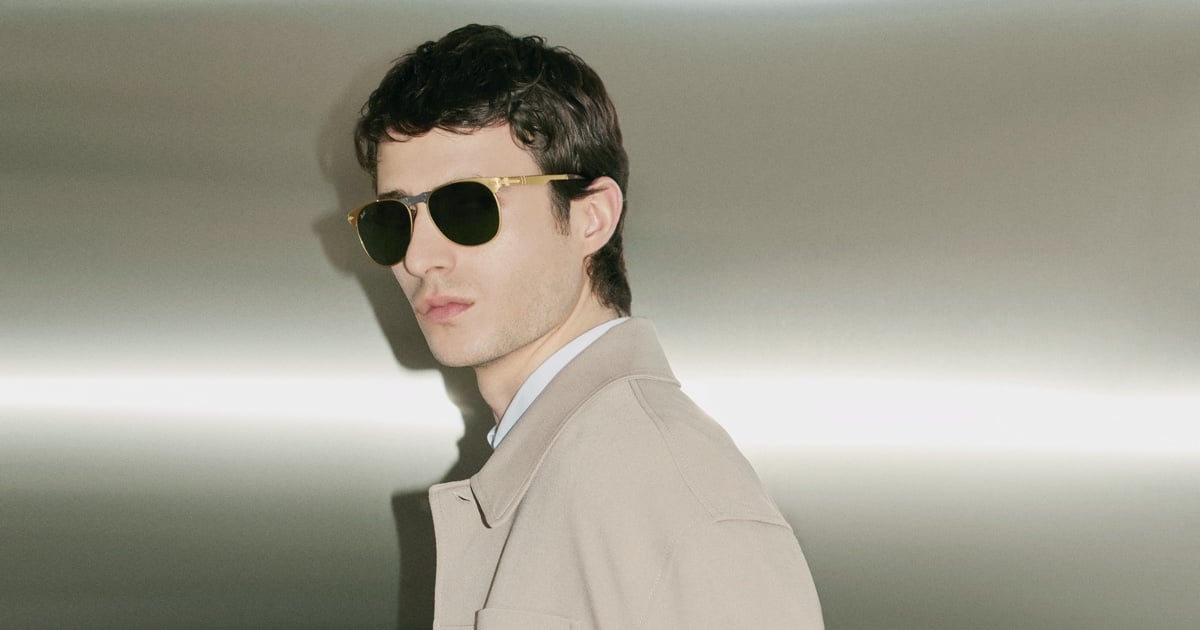
The Tiffany Knot line is even more traditional in its approach. Tiffany says these sunglasses draw from the jewelry collection’s design codes and place the signature knot motif on the temples, with acetate tips for comfort. In a pilot version on the official site, the frame is pale gold-colored metal with Tiffany Blue® gradient lenses, 100% UV protection, anti-glare coating, and Italian manufacturing. This is how timeless luxury usually works: not through visual noise, but through one memorable detail used with discipline.
Titan by Pharrell Williams: the fashion-forward halo
The newest, more directional side of Tiffany eyewear shows up in Tiffany Titan by Pharrell Williams. Tiffany describes the sunglasses as “works of wearable art” with bold silhouettes and spear motifs inspired by Poseidon’s trident. On the collection page, the four sunglass models are listed at $2,500 each. This line is less understated than Tiffany T or Knot, but it still follows the same brand logic: use a specific motif, tie it to a broader Tiffany design story, and build a frame that feels collectible rather than disposable.
Where Tiffany delivers real value
Luxury eyewear buyers are more price aware than many brands assume. The Vision Council’s Q2 2025 data showed that 41% of consumers spent less than $100 on their most recent glasses, and its Q4 2025 research said more than half of respondents spent less than $50 on non-prescription sunglasses. That does not mean premium eyewear is in trouble. It means premium eyewear has to offer visible reasons for the markup. Tiffany’s answer is a mix of brand heritage, recognizable design codes, materials, detailing, and finishing.
The current Tiffany assortment also shows a deliberate pricing ladder. On the official listing, entry luxury styles appear around $380 to $550 for pieces such as Return to Tiffany® and Knot sunglasses, core Tiffany T styles often sit around the mid-$400s to $700 range, embellished or precious-metal-accented models rise into the $1,000+ tier, and Titan by Pharrell Williams sits at $2,500. That kind of structure matters because it gives buyers multiple entry points into the same brand universe. You can buy into the Tiffany look through a wearable everyday frame, or through a statement piece that functions more like jewelry for the face.
How to choose Tiffany glasses that will still look right five years from now
A timeless Tiffany purchase usually comes down to restraint. The smartest buyers do not ask, “What is the most noticeable frame?” They ask, “What still looks unmistakably Tiffany after the novelty wears off?” A few practical rules help:
- Start with shape, not branding. Pilot, butterfly, cat-eye, round, and square silhouettes each create a different mood. Tiffany’s current collection spans all of them, so the first decision should be which shape works with your face and wardrobe, not which motif is flashiest.
- Choose one signature code. Tiffany T, HardWear, Knot, and Titan each already carry strong identity. One motif is elegant; stacking multiple visual ideas usually makes a frame date faster.
- Pay attention to measurements. Tiffany product pages list lens width, bridge width, and temple width, along with notes on face-shape fit. These are not minor specs. They are the difference between a frame that looks polished and one that spends most of its life in a case.
- Treat color like a longevity decision. Black acetate, pale gold-colored metal, tortoise, gray gradients, and Tiffany Blue® accents have more staying power than highly seasonal tones. They also integrate more easily into daily wear.
- Think in cost per wear. A $460 to $690 frame worn constantly can be a better luxury buy than a trend-led pair that feels old after one summer. The premium tiers only make sense if the design language matches your long-term style.
Tiffany’s quiet advantage: it sells a complete luxury experience
Another reason Tiffany eyewear feels durable is that the purchase is wrapped in a broader luxury ritual. On Tiffany’s site, even accessory pages reinforce the Blue Box as part of the brand story, and the company notes that its Blue Boxes and bags use 100% recyclable paper, that the paper is 100% FSC-certified, that the blue bags are made from 100% recycled paper, and that Blue Boxes are currently made from 75% recycled paper. That does not make a frame fit better, but it does matter in luxury: customers are buying packaging, service, symbolism, and afterglow alongside the object itself.
That in-store and high-service environment also aligns with how people are actually shopping. In 2025, The Vision Council found that in person buying continued to dominate, with more than 80% of frames and lenses bought in physical locations, and it described consumer spending as “selective rather than disengaged. Tiffany benefits from exactly that kind of shopper behavior. A customer comparing luxury frames face to face is more likely to notice temple hardware, lens tone, finishing, and balance than someone scrolling quickly through thumbnails.
Conclusion
Timeless style with Tiffany & Co. glasses is not really about nostalgia. It is about structure. The brand succeeds when it takes familiar Tiffany signals, like the T motif, HardWear links, Knot detailing, Tiffany Blue or the newer Titan spear shapes and translates them into frames that remain wearable beyond one fashion cycle. That matters even more now because the eyewear market is large, competitive and increasingly bifurcated between essentials, statement luxury, and emerging smart formats. In that environment the safest luxury purchase is rarely the loudest one. It is the one with clear design identity, dependable construction and enough restraint to keep earning its place on your face year after year.
FAQs
What makes Tiffany & Co. glasses timeless?
Their clean shapes, elegant details and signature Tiffany design codes give them long lasting appeal.
Are Tiffany & Co. glasses only for fashion?
No. They combine luxury style with everyday wearability and practical comfort.
Which Tiffany eyewear collections are most popular?
Tiffany T, HardWear, Knot and Titan by Pharrell Williams are among the standout collections.
Do Tiffany glasses suit daily use?
Yes. Many styles are designed to be stylish enough for special occasions and practical enough for everyday wear.
How do I choose the right Tiffany frame?
Start with your face shape, preferred frame size and how bold or subtle you want the design to look.
Are Tiffany glasses a good luxury investment?
They can be, especially if you choose classic styles that stay relevant for years.
What frame colors last the longest in style?
Black, tortoise, gold-toned metal and soft neutral shades usually have the most timeless appeal.
Do Tiffany glasses have recognizable brand details?
Yes. Many styles include signature touches like the Tiffany T motif, knot accents or Tiffany Blue® elements.
Are Tiffany glasses better bought in person?
For many people, yes, because trying them on helps with fit, comfort and overall look.
Who should buy Tiffany & Co. glasses?
Anyone who wants eyewear that blends luxury, refined design and long term style value.