
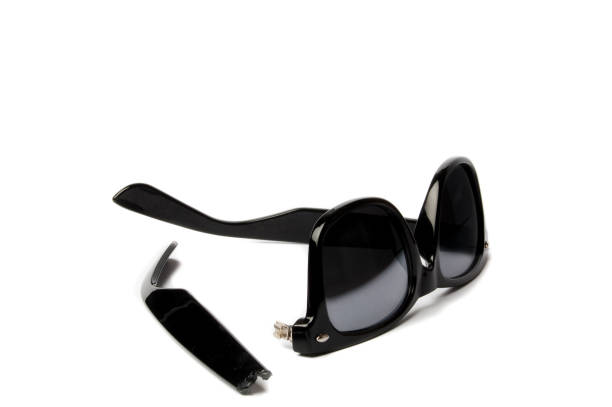
A bent temple, loose hinge or crooked bridge can turn a perfectly good pair of glasses into something annoying, uncomfortable, or almost unusable. That matters more than people often realize. In The Vision Council’s Q2 2024 consumer survey of 12,058 U.S. adults, 83% reported using some form of vision correction and 68% reported using prescription eyewear. The same survey found that 40% paid $99 or less out of pocket for their glasses, lenses, or frames, which helps explain why many people want to repair a damaged pair before replacing it. On the global side, WHO says at least 2.2 billion people live with near or distance vision impairment, with refractive error remaining one of the leading causes. In other words, glasses are not a small accessory purchase for many households; they are daily infrastructure.
The good news is that many frame problems are repairable. The bad news is that not every repair should be a DIY job. The difference usually comes down to three things: the material, the type of damage, and whether the lenses could be harmed while you work. Repairing frames well means knowing when a gentle adjustment is enough, when a temporary fix is acceptable, and when to stop before you turn a minor bend into a snapped bridge.
Start by Diagnosing the Real Problem
Before touching the frame, figure out what is actually wrong. A pair of glasses can look “bent” for several different reasons, and each one needs a different fix.
Problems that are usually repairable at home
- A loose hinge screw
- Crooked temples that make one side sit higher than the other
- Nose pads that are too tight, too loose, or uneven
- Temple tips that have spread outward and let the glasses slide down
- Mild misalignment after the glasses were dropped
Problems that usually need a professional
- A snapped bridge
- A detached hinge or spring hinge failure
- A frame front that is badly twisted
- Cracks near the lens groove or hinge
- Titanium, rimless, semi-rimless, or specialty hinge designs that resist adjustment
- Cracked or deeply scratched lenses
One subtle but important point: glasses should be judged on your face, not only on a flat table. Warby Parker notes that frames can look level on a surface yet still sit unevenly because people’s ears are often slightly different heights. That is why every adjustment should be tested while wearing the glasses, not just by sighting them from above.
Why Frame Material Changes the Repair Method
This is where many DIY repairs go wrong. People treat all eyeglass frames the same, but they are not built the same way.
Acetate and plastic frames are the most DIY-friendly
Optical training materials used for eyewear professionals note that plastics such as acetate are among the most adjustable frame materials and usually respond to moderate heat. That is why warm-water or low-heat adjustment methods work for many plastic frames.
Metal frames can often be adjusted without heat
For most metal frames, the safer move is controlled bending rather than heating. Warby Parker’s fitting guide notes that metal frames often allow nose-pad repositioning and temple-end adjustment without needing hot water.
Titanium is strong, light and less forgiving
AAO’s frame-material guidance describes titanium as strong, lightweight, and corrosion-resistant, but professional optical training resources also flag titanium as having limited adjustability and often requiring specialized tools or high heat. That combination is great for durability, but not ideal for casual at-home bending.
Spring hinges and memory metals reduce some damage but complicate repair
Optometrists.org notes that spring hinges let temples flex outward without damage, which can reduce how often frames need adjustment. But optical training resources also point out that damaged spring hinges are more complex to repair. Memory-metal frames, such as Flexon, are designed to flex and return toward their original shape, which means forcing them like ordinary metal frames is often the wrong approach.
The Small Repair Kit That Actually Helps
You do not need a workshop. You need control.
- A microfiber cloth to protect lenses and improve grip
- A small eyeglass screwdriver
- A bowl of warm or hot tap water for acetate adjustments
- A towel for drying and stabilizing the frame
- Good lighting, because tiny hinge screws are easy to misjudge
Skip household improvisation tools that increase risk, especially unpadded pliers, boiling water, and random glues as a first choice. The fastest way to ruin a frame is to repair it with too much force or too much heat.
How to Repair Bent Plastic or Acetate Frames
Plastic frames are the ones most people can successfully adjust at home, but only if the bend is mild.
Tightening loose acetate temples
Warby Parker recommends using hot tap water on the temple end pieces, not the lenses, for about 30 seconds before making a small adjustment. Once the temple tip softens slightly, bend it down a little to create more grip behind the ear. Then let it cool and test the fit. Payne Glasses makes the same point from the material side: acetate is not very pliable at room temperature, so it needs warmth before adjustment, but too much pressure can snap it and too much heat can deform it.
Straightening crooked plastic frames
If one side sits higher or lower, warm the temple corner or temple tip rather than the whole front. Then make a small directional correction, cool the frame, and test it on your face. This “adjust, cool, test, repeat” cycle matters because one aggressive bend usually creates a second problem somewhere else.
What not to do with plastic frames
Do not heat the bridge or areas close to the lenses if you can avoid it. Vasuma’s guidance warns that acetate becomes more flexible with gentle warmth, but the bridge and lens area can warp. That warning matters because a warped front changes how the lenses sit in front of your eyes, which can make vision feel off even if the glasses no longer look bent.
How to Repair Bent Metal Frames
Metal frames usually call for smaller, colder, more precise adjustments.
Fixing nose pads that slip or pinch
If the glasses sit too low or slide down, bring the nose pads slightly inward. If they sit too high or pinch move the pads outward. Warby Parker and Vasuma both describe nose-pad adjustment as one of the safest ways to improve fit on metal frames, as long as you work evenly on both sides.
Correcting loose or tight metal temples
Temple ends can be bent slightly down to tighten the fit or up to loosen it. Warby Parker explicitly notes that most metal temple adjustments do not require heat. But it also adds an important safety rule: stop if the metal resists. That is especially important with rigid materials or older frames that may already be fatigued.
The expert insight most people miss
Professional optical training emphasizes that different materials respond differently to adjustment and that some fixed-bridge plastic styles have very limited adjustability once lenses are installed. That means repeated attempts to “force” the bridge or front shape are often the wrong fix. Sometimes the real issue is not the bend at all, but a frame shape that no longer matches the wearer’s nose, ear height, or prescription lens thickness.
What to Do About Loose Screws, Detached Arms and Minor Cracks
Not every broken frame is actually broken.
Loose hinge screws
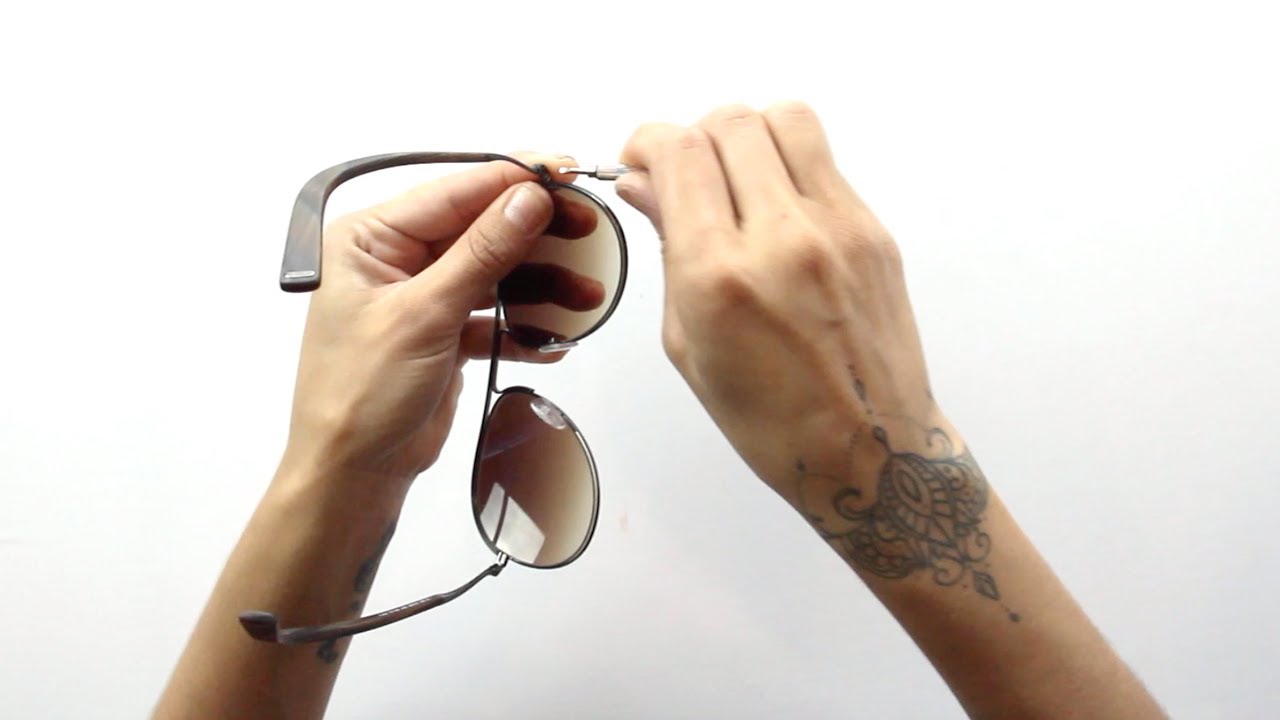
A loose hinge screw is usually the easiest repair. Use an eyeglass screwdriver and tighten gently until the arm feels stable again. Warby Parker advises checking these screws regularly because loose hinge screws are a common reason frames feel wobbly.
Detached arms or missing screws
Once a screw has fallen out and the arm is detached, the odds of a clean home fix go down. Warby Parker specifically recommends not trying to fix a detached arm at home and instead having an optician handle it. That is sensible because the screw size, hinge alignment, and thread condition all matter.
Small cracks in plastic frames
A tiny amount of super glue may hold a crack together long enough to get you to an optician, but only as a short-term measure. Berwick Optical Centre’s repair guidance stresses that this is not something to rely on, especially if glue could spread onto the lenses or hinge joint. Think of glue as a transport fix, not a structural repair.
Snapped bridges and serious breaks
If the bridge is snapped, the hinge has come off, or the frame front is badly warped, the repair usually moves into specialist territory. Professional shops may use laser welding, hinge replacement, pad-arm replacement, or lens transfer into a new compatible frame. That is not just about convenience; it is about restoring alignment without damaging the prescription lenses.
Never Try to “Repair” Scratched Lenses
This is one of the most common bad internet tips.
Eyesight Associates’ 2024 lens-care guidance explains that you cannot truly remove scratches from eyeglass lenses. Buffing methods such as toothpaste, baking soda, or other abrasive hacks work by removing more surrounding material, not by restoring what was lost. AAO has also warned that scratched lenses can cause light scatter that impairs vision and causes irritation. If the lens is badly scratched, replacing the lens is the right fix.
When Repair Is Smarter Than Replacement
Repair usually makes sense when the lenses are still in good condition and the damage is mechanical rather than optical. A bent temple, loose screw, uneven nose pads, or mild drop-related misalignment can often be fixed faster and more cheaply than replacing the whole pair. That is especially relevant in a market where many consumers remain price-sensitive: The Vision Council’s Q2 2024 data found that 40% paid $99 or less out of pocket for glasses, lenses, or frames, while its 2024 consumer-choices research found discounts and insurance are increasingly important in purchase decisions.
Replacement makes more sense when the lenses are scratched or cracked, the frame has repeated stress damage, or your prescription is overdue for review. The Vision Council’s Q4 2024 data found 61% of respondents had an eye exam in the past year, but 22% had gone more than two years without one. If your glasses are failing and your exam is overdue, replacing the frame and reassessing the prescription may be the more rational move.
Why This Topic Matters More in 2024–2026 Than It Did a Few Years Ago
Eyewear is still a hands-on category even as e-commerce grows. The Vision Council found that 86% of eyeglass purchases in Q4 2024 occurred in person, and 78% of people who had an eye exam in the previous three months and bought prescription eyewear bought from their exam provider. Its Consumer Choices 2024 research also found the role of eye-care providers in shaping prescription-eyeglass decisions grew by 6 percentage points in 2024. That is a useful industry insight: repair, fitting, and adjustment are not side services anymore. They are part of why optical retail still wins in person.
At the same time, the broader eyewear market continues to grow. Grand View Research estimates the global eyewear market was worth about $200.46 billion in 2024 and projects continued expansion through 2030, with prescription glasses accounting for more than 69% of revenue in 2024. As eyewear becomes a bigger consumer category, repair literacy becomes more valuable too, because people are trying to get more life, comfort, and value out of each pair they buy.
Conclusion
Repairing bent or broken eyeglass frames is less about having “handy” skills and more about making the right call early. Minor acetate bends, loose screws, and nose-pad misalignment are often manageable at home with gentle heat, small movements, and patience. But snapped bridges, damaged hinges, rigid titanium frames, rimless constructions, and scratched lenses are where DIY usually stops being smart.
The future outlook is clear: as eyewear becomes more essential, more expensive in aggregate, and more tied to in-person fitting, repair knowledge will matter more, not less. The best approach is practical: fix what is mechanically simple, protect the lenses at every step, and treat professional repair as a value-preserving service rather than a last resort. That mindset saves money, protects vision and usually keeps a good pair of glasses in service much longer.
FAQs
Can bent eyeglass frames be repaired at home?
Yes, mild bends in plastic or metal frames can often be adjusted at home with care.
How do I know if my glasses are too damaged to repair myself?
If the bridge is broken, the hinge is detached or the frame is badly twisted, professional repair is usually the better option.
Can hot water help fix plastic eyeglass frames?
Yes, warm or hot tap water can make acetate frames more flexible for small adjustments.
Should I heat metal eyeglass frames before bending them?
No, most metal frame adjustments should be done without heat.
Can I use glue on broken eyeglass frames?
Glue can work as a temporary fix for a small crack, but it is not a reliable long-term repair.
Can scratched eyeglass lenses be repaired?
No, scratched lenses usually cannot be truly repaired and often need replacement.
Why do my glasses sit unevenly on my face?
This can happen because of bent temples, uneven nose pads, or natural differences in ear height.
Are titanium frames easy to repair at home?
No, titanium frames are usually less forgiving and often need professional adjustment tools.
How often should I check my eyeglass screws?
It is a good idea to check them regularly, especially if the arms start to feel loose.
When is replacing glasses better than repairing them?
Replacement is often better when the lenses are damaged, the frame has major structural cracks, or your prescription needs updating.